Tracing Roots, Mapping Systems, And Driving Impact

I was a researcher long before the title
For 6 years, I was an IT Technician. The kind of work where a vague support ticket is the only brief you get and the real problem is never the one reported. Tracing symptoms backward through system layers until I found the root cause became second nature. So did sitting with ambiguity instead of rushing toward the first plausible answer. Eventually, one truth kept proving itself: the problem you are helping to solve is almost never the problem you end up solving for. I didn't know it then, but I was building the instincts that would define my entire research philosophy.
How I Shape products through deliberate insights
Research, for me, is what makes me a multifaceted product maker. Finding the connections that directly point to what gets built, who it should serve, and whether the system behind it holds up is where my work begins. Sitting at the intersection of IT, HCI, accessibility, and design means speaking to technical constraints with the same fluency as user needs. That intersection is where my research lives: shaping product strategy by bridging vision and execution, not just for the user but for the business.
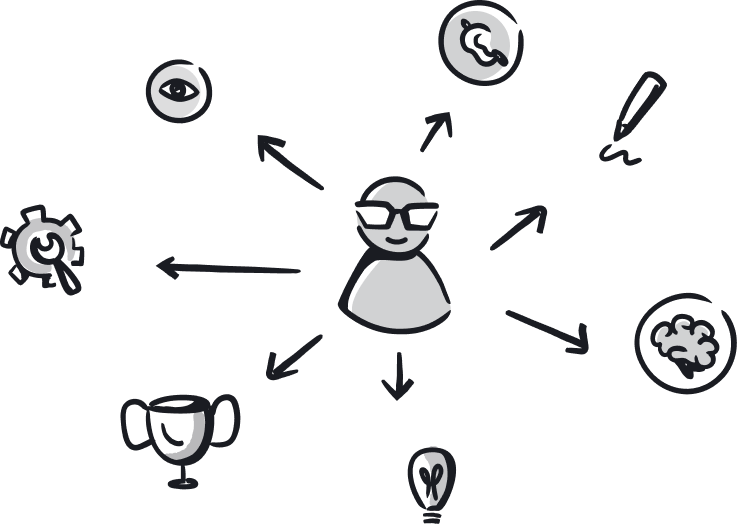
Four Lenses, One Arc
As a Mixed-Methods Researcher and Strategist, I approach every project through four evolving lenses. Each one emerged from a distinct chapter of my career, sharpened by the problems I traced back to their root and the recommendations I drive for systemic impact.


From Troubleshooting to Tracing Root Causes
Symptoms and root causes rarely live on the same layer. Bringing a technicnian lens is why I read the person, the system, and the environment before diagnosing a solution.


Mapping Human and System Interactions
Every system is a web of connected decisions, constraints, and people. Bringing an HCI lens is why I trace that web through a product perspective, not just a user one.
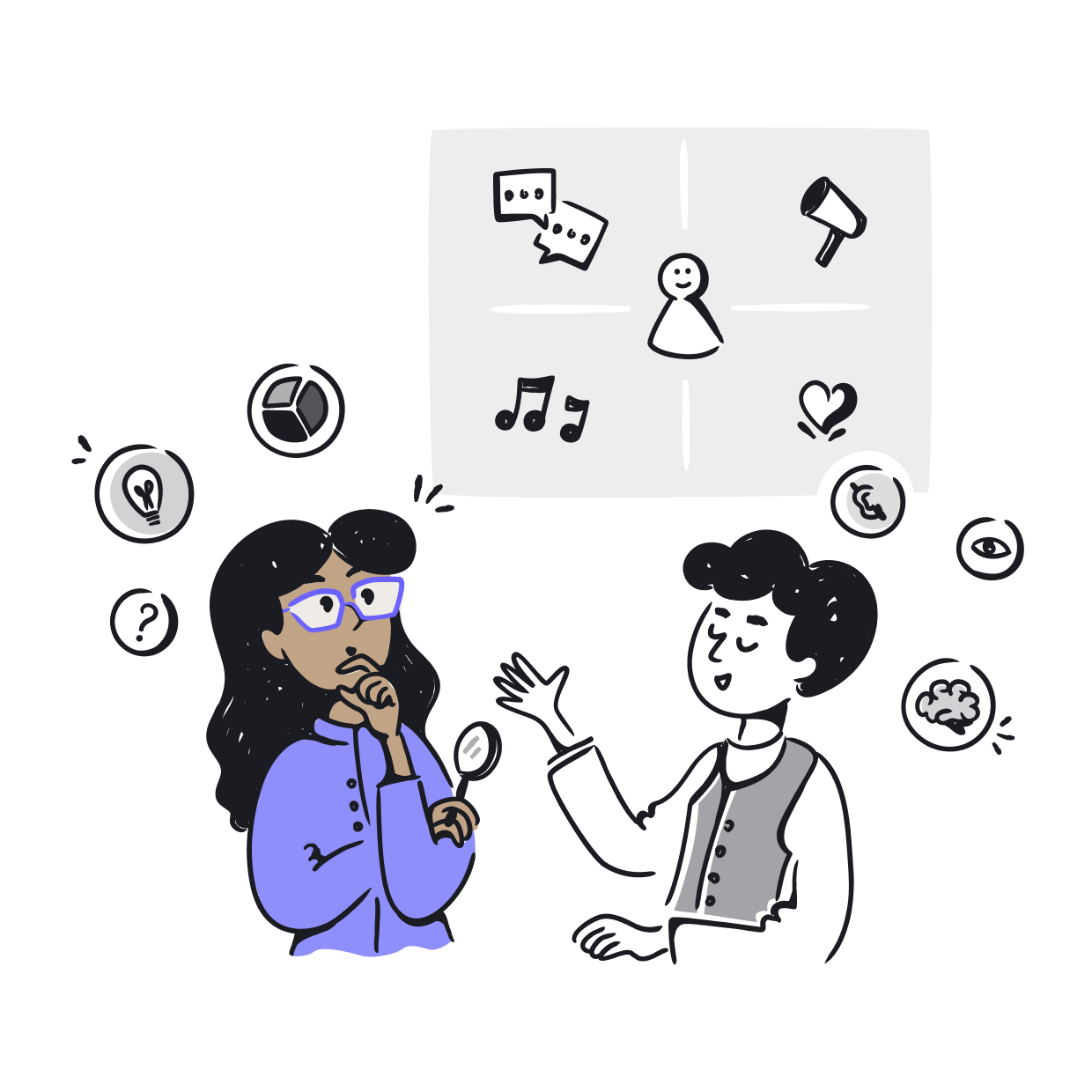

Strengthening the Systemic Whole
Access gaps are not edge cases. Bringing an accessibility lens is why I treat the overlooked as the ultimate signal for what a system needs to evolve.


Directing Impact through Design Guardrails
The gap between research and what gets built is where impact gets lost. Bringing a product design lens is why I bridge that gap with direction and guardrails.
“Expanding perspectives into deliberate insight for bolder moves”


Made and designed by nayeri
© 2026 All Rights Reserved

Tracing Roots, Mapping Systems, And Driving Impact
I was a researcher long before the title
For 6 years, I was an IT Technician. The kind of work where a vague support ticket is the only brief you get and the real problem is never the one reported. Tracing symptoms backward through system layers until I found the root cause became second nature. So did sitting with ambiguity instead of rushing toward the first plausible answer. Eventually, one truth kept proving itself: the problem you are helping to solve is almost never the problem you end up solving for. I didn't know it then, but I was building the instincts that would define my entire research philosophy.
How I Shape products through deliberate insights
Research, for me, is what makes me a multifaceted product maker. Finding the connections that directly point to what gets built, who it should serve, and whether the system behind it holds up is where my work begins. Sitting at the intersection of IT, HCI, accessibility, and design means speaking to technical constraints with the same fluency as user needs. That intersection is where my research lives: shaping product strategy by bridging vision and execution, not just for the user but for the business.
Four Lenses, One Arc
As a Mixed-Methods Researcher and Strategist, I approach every project through four evolving lenses. Each one emerged from a distinct chapter of my career, sharpened by the problems I traced back to their root and the recommendations I drive for systemic impact.
From Troubleshooting to Tracing Root Causes
Symptoms and root causes rarely live on the same layer. Bringing a technicnian lens is why I read the person, the system, and the environment before diagnosing a solution.
Mapping Human and System Interactions
Every system is a web of connected decisions, constraints, and people. Bringing an HCI lens is why I trace that web through a product perspective, not just a user one.
Strengthening the Systemic Whole
Access gaps are not edge cases. Bringing an accessibility lens is why I treat the overlooked as the ultimate signal for what a system needs to evolve.
Directing Impact through Design Guardrails
The gap between research and what gets built is where impact gets lost. Bringing a product design lens is why I bridge that gap with direction and guardrails.
“Expanding perspectives into deliberate insight for bolder moves”

Made and designed by nayeri
© 2026 All Rights Reserved
Tracing Roots, Mapping Systems, And Driving Impact
I was a researcher long before the title
For 6 years, I was an IT Technician. The kind of work where a vague support ticket is the only brief you get and the real problem is never the one reported. Tracing symptoms backward through system layers until I found the root cause became second nature. So did sitting with ambiguity instead of rushing toward the first plausible answer. Eventually, one truth kept proving itself: the problem you are helping to solve is almost never the problem you end up solving for. I didn't know it then, but I was building the instincts that would define my entire research philosophy.
How I Shape products through deliberate insights
Research, for me, is what makes me a multifaceted product maker. Finding the connections that directly point to what gets built, who it should serve, and whether the system behind it holds up is where my work begins. Sitting at the intersection of IT, HCI, accessibility, and design means speaking to technical constraints with the same fluency as user needs. That intersection is where my research lives: shaping product strategy by bridging vision and execution, not just for the user but for the business.
Four Lenses, One Arc
As a Mixed-Methods Researcher and Strategist, I approach every project through four evolving lenses. Each one emerged from a distinct chapter of my career, sharpened by the problems I traced back to their root and the recommendations I drive for systemic impact.
From Troubleshooting to Tracing Root Causes
Symptoms and root causes rarely live on the same layer. Bringing a technician lens is why I read the person, the system, and the environment before diagnosing a solution.
Mapping Human and System Interactions
Every system is a web of connected decisions, constraints, and people. Bringing an HCI lens is why I trace that web through a product perspective, not just a user one.
Strengthening the Systemic Whole
Access gaps are not edge cases. Bringing an accessibility lens is why I treat the overlooked as the ultimate signal for what a system needs to evolve.
Directing Impact through Design Guardrails
The gap between research and what gets built is where impact gets lost. Bringing a product design lens is why I bridge that gap with direction and guardrails.
“Expanding perspectives into deliberate insight for bolder moves”
Made and designed by nayeri
© 2026 All Rights Reserved