Identity Over Automation
Most growth tools prioritize conversion efficiency while ignoring the psychological cost of self-promotion. What if low conversion was an identity threat built into the interface rather than a lack of creator motivation?
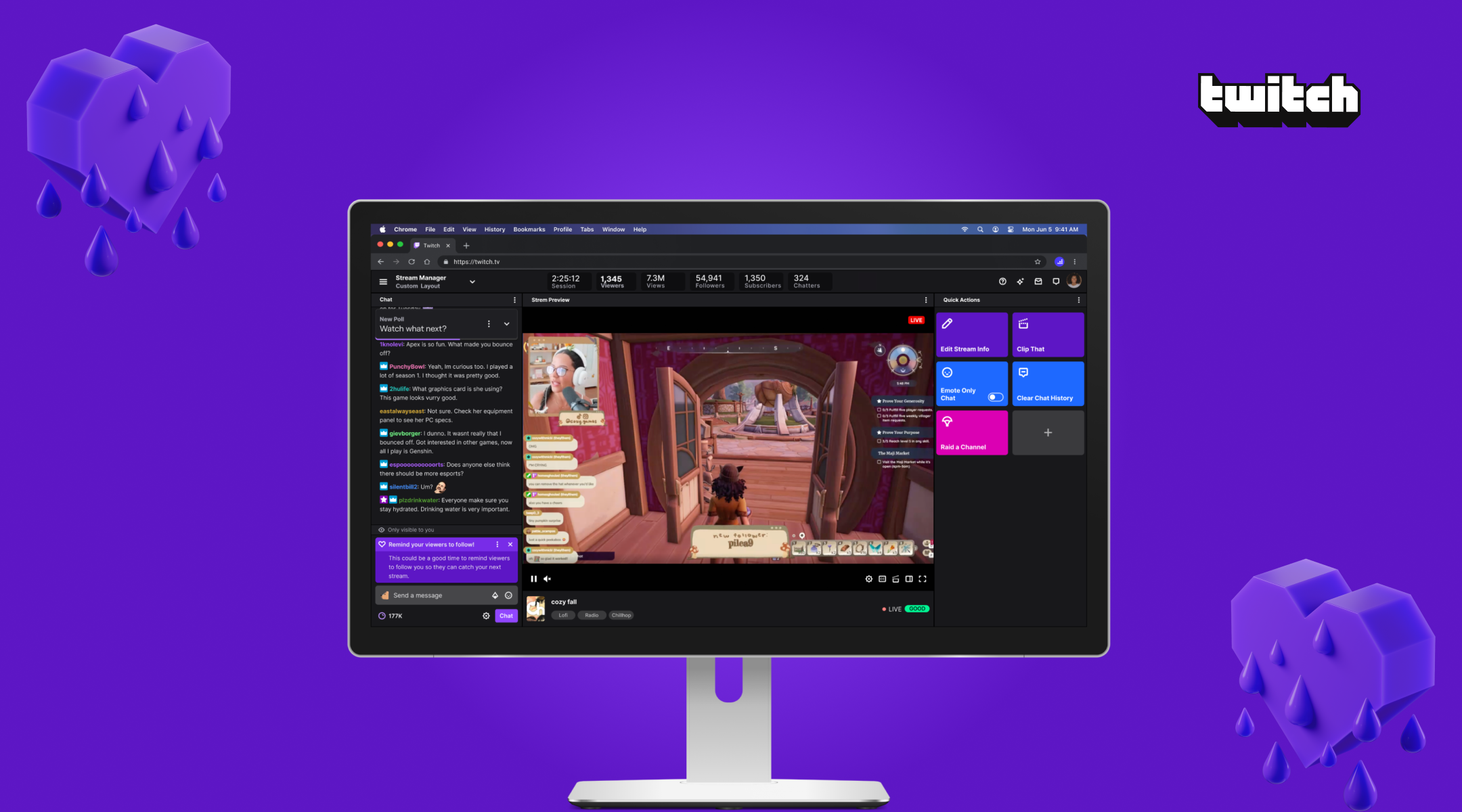
TL;DR
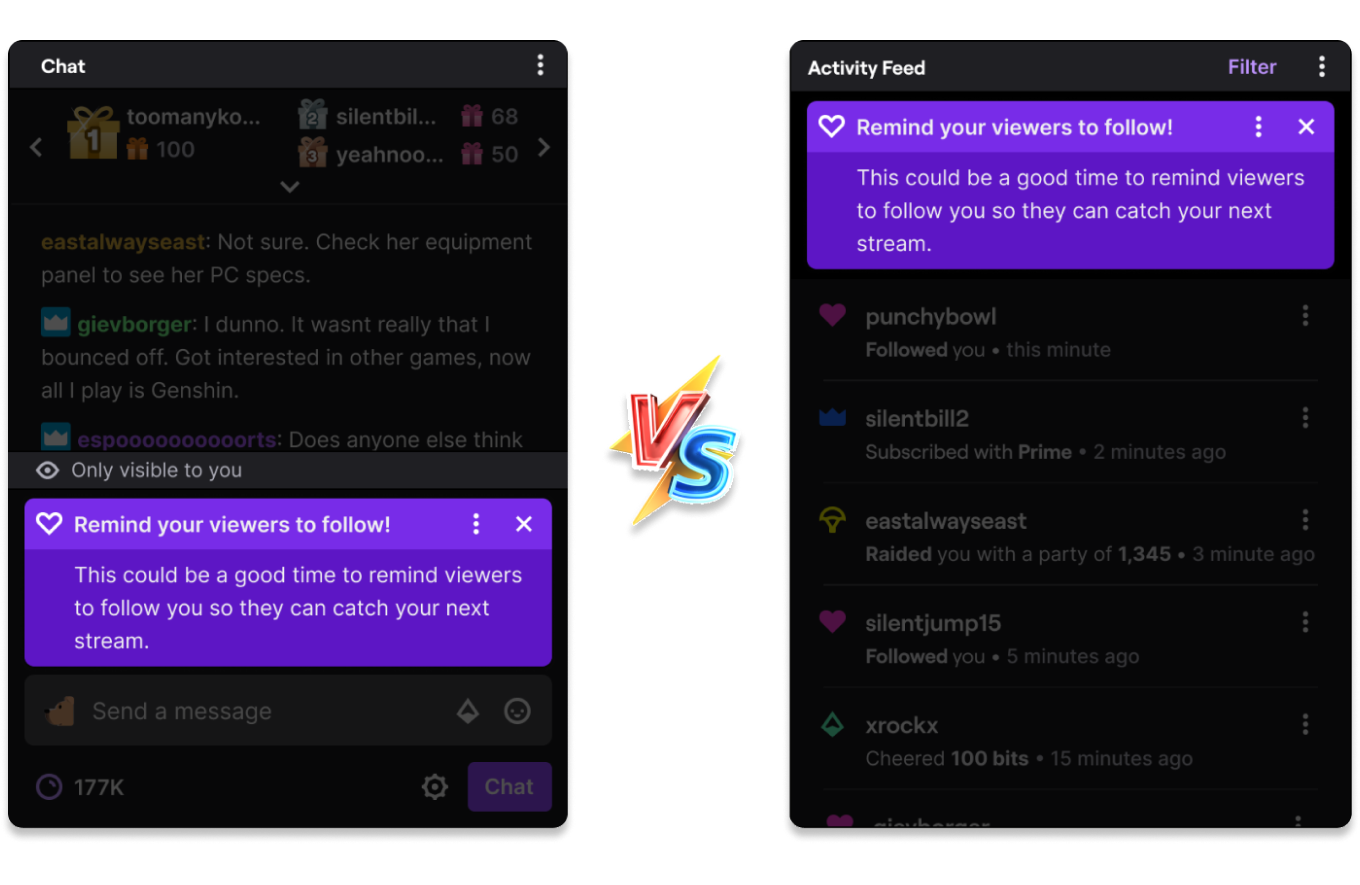

Finalized design that launched

Overview
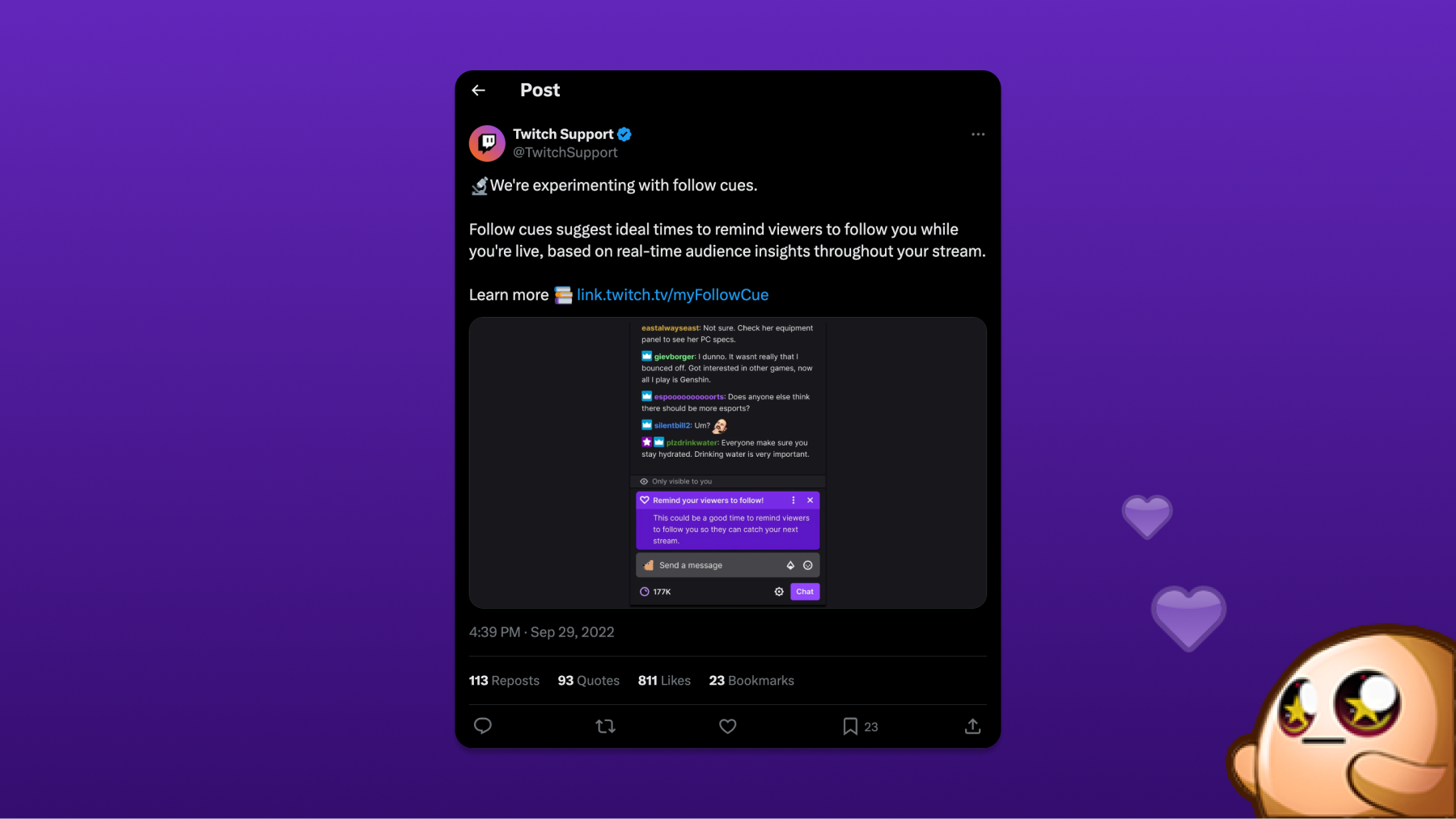
Creators frequently requested automated follow reminders to solve what they described as a memory problem. We built Follow Cue to automate these prompts but launch data showed conversion remained low at 17% while creators perceived the tool as intrusive. I investigated the gap between user request and user behavior to discover that the real barrier was identity threat rather than forgetfulness. Asking for support conflicted with how creators wanted to be perceived by their communities and automation only amplified that psychological discomfort.

A small But Mighty Team
As the Sole Designer I owned the end to end strategy and execution of the Follow Cue feature over a three month timeframe.
- 3 Engineers
- 1 Product Manager
- 1 Data Analyst
- 1 UX Writer
- 1 Marketing Lead

Impact and Key Findings
- The Identity Misdiagnosis: The 17% conversion rate revealed that low engagement was a response to identity threat rather than a lack of memory. Creators avoided self-promotion to protect their community status and automation removed their ability to manage the social authenticity of the ask.
- Identity Over Efficiency: Creators wanted growth but not at the cost of appearing transactional. Self-Presentation Theory explained why tools optimized for conversion efficiency failed when they forced behaviors that conflicted with creator identity.
- The Learning: User articulation reveals their understanding of a problem, not necessarily the actual barrier. Creators couldn't articulate social discomfort, so they attributed the gap to memory. The feature became the investigation tool that exposed the psychological friction users couldn't name.

The Problem
Articulation vs. Behavior
The team initially assumed automated reminders would reduce friction by removing the need for creators to remember the ask. When results showed low engagement despite creators enabling the feature I reframed the project as a research instrument to test the psychological barriers to self-promotion. This investigation revealed that creators diagnosed their own problem incorrectly because they could not articulate the social discomfort of appearing transactional. The feature became the diagnostic tool that exposed the identity conflict inherent in automated growth.

Copywriting For Identity, Not Conversion
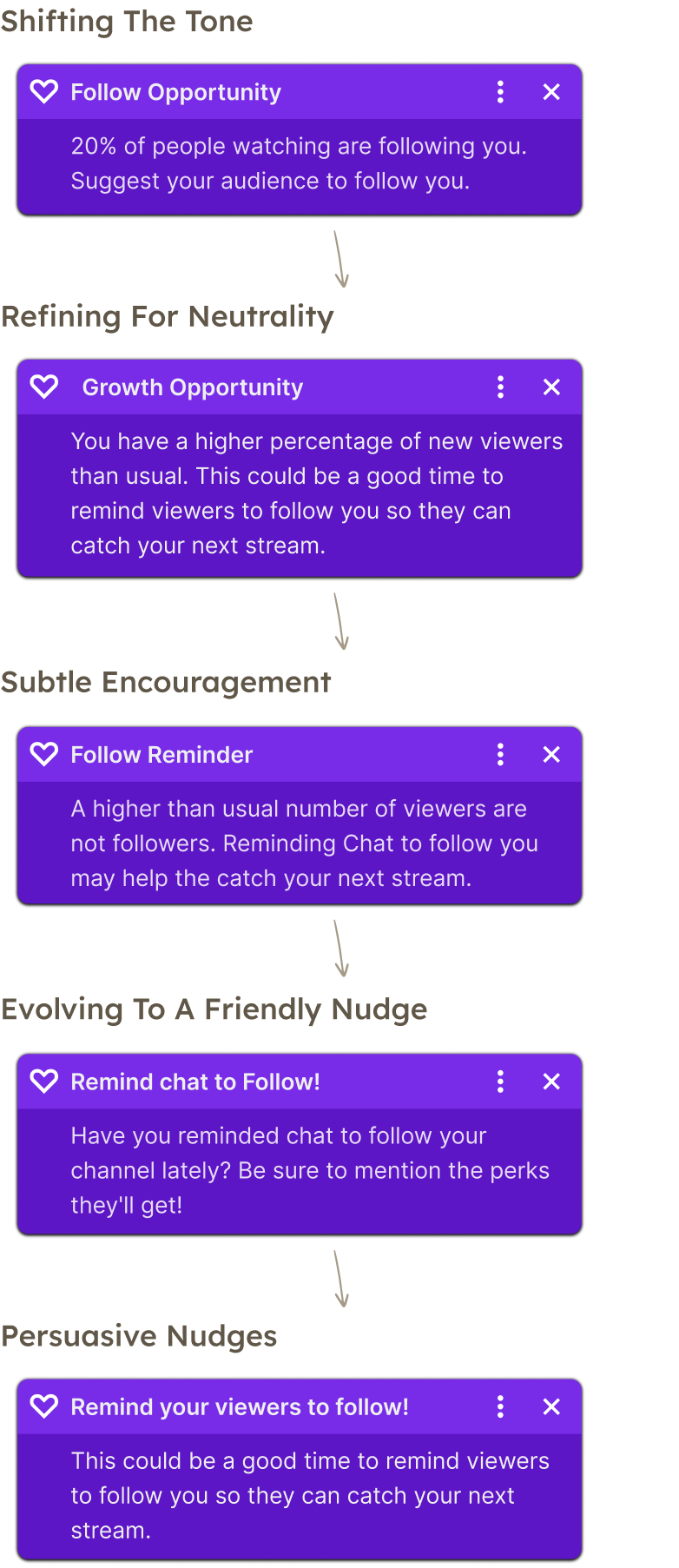
Language determines whether users perceive acknowledgment as personal validation or public performance. I developed a voice that validated silence as a legitimate form of participation rather than a problem to solve. Milestone messaging prioritized the relationship between viewer and creator over community-wide broadcasting. This strategy acknowledged consistent support without pressuring users to alter their participation style. It respected that lurkers are not inactive users awaiting activation but consistent contributors through presence. The copy reflected their existing identity rather than attempting to force a conversion into active chatters.
Behavioral Design Translation

Leveraging Existing Attention Patterns
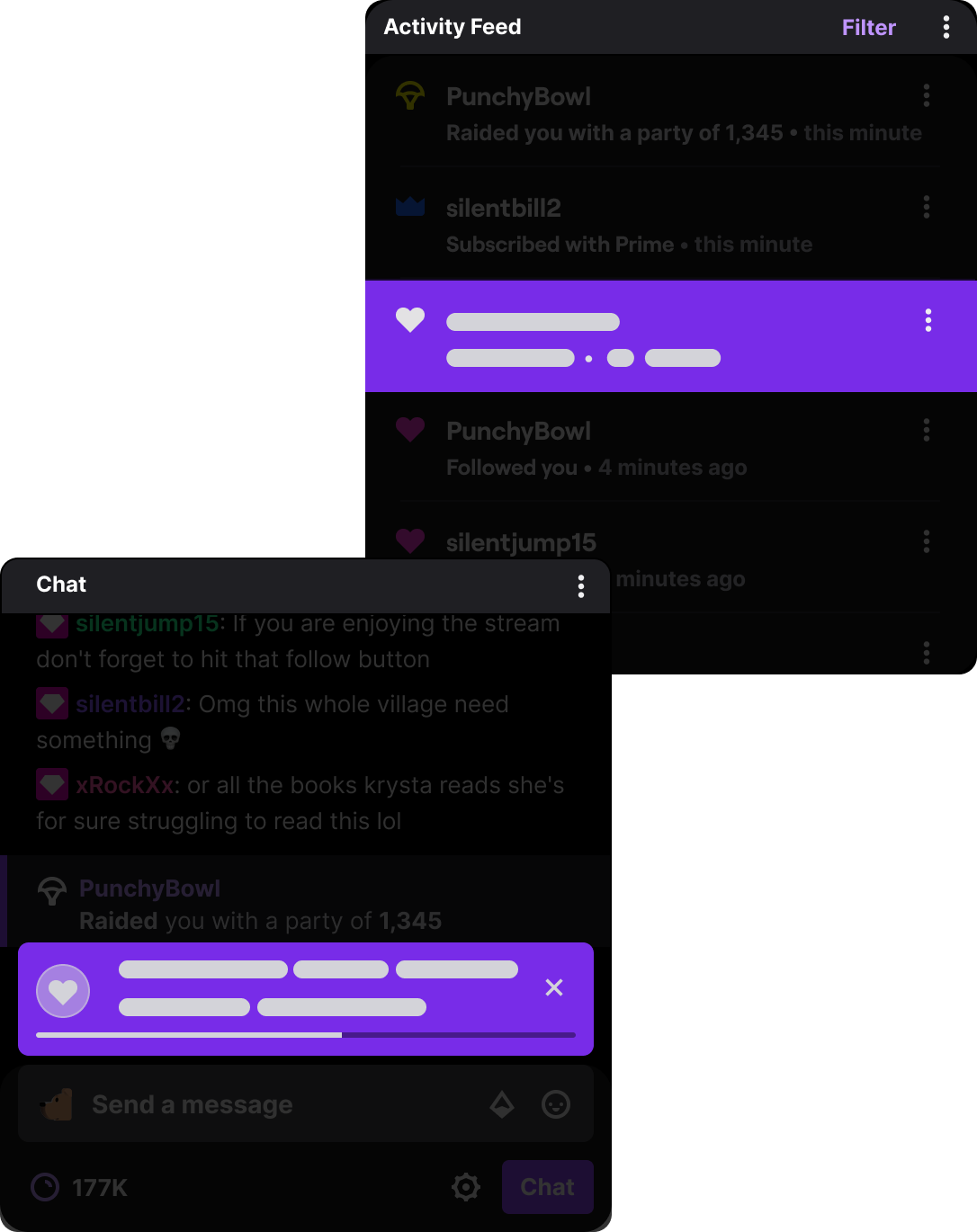
Self-Presentation Theory requires creators to assess audience composition before making identity-relevant requests. I placed Follow Cue within the Activity Feed and Chat surfaces because these areas already contained the audience insight data creators referenced during broadcasts. This spatial strategy ensured the prompt felt like a contextual extension of their existing workflow rather than an automated interruption.

Engineering A Non Interruptive Presence
Self-presentation theory suggests that identity conflict occurs when a behavior feels arbitrary or unearned. By defining the functionality for threshold-based triggering to ensure the prompt only surfaced when data confirmed a significant portion of current viewers were not followers. This strategic logic ensured the ask was contextually justified and prevented the tool from feeling like a pushy or blind automation during high-stakes broadcast moments.
Giving Creators Ownership Over The Ask
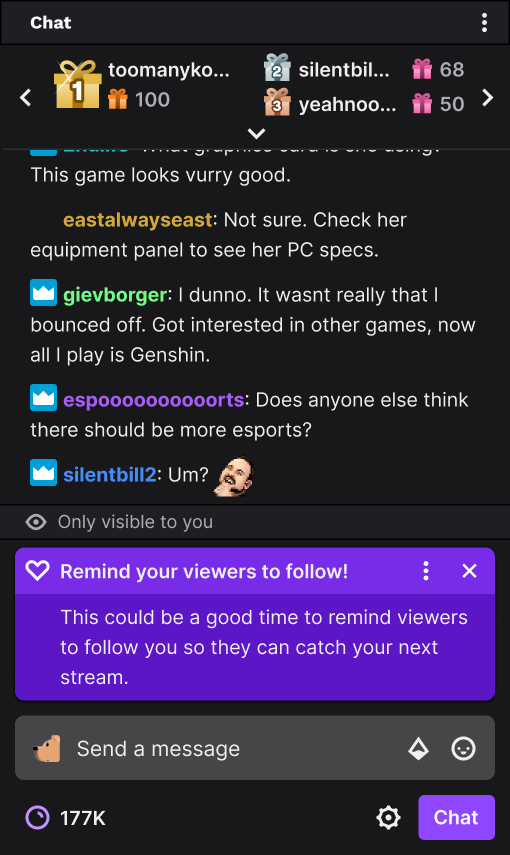
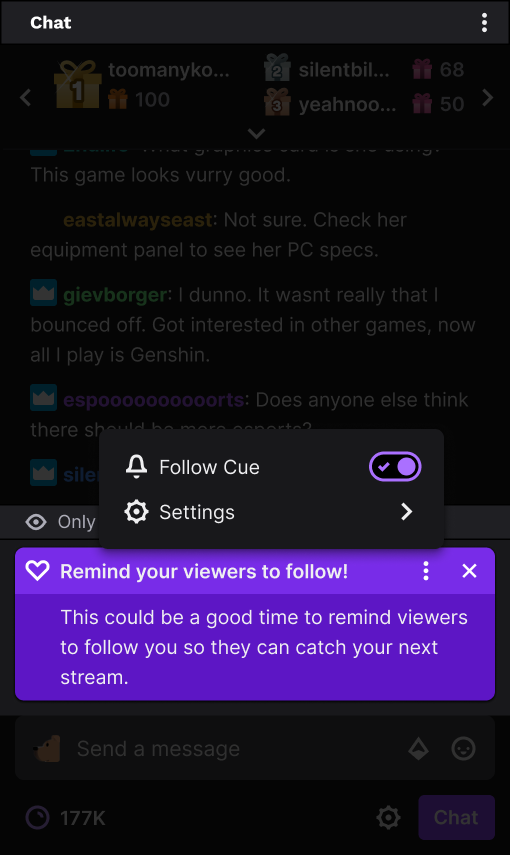
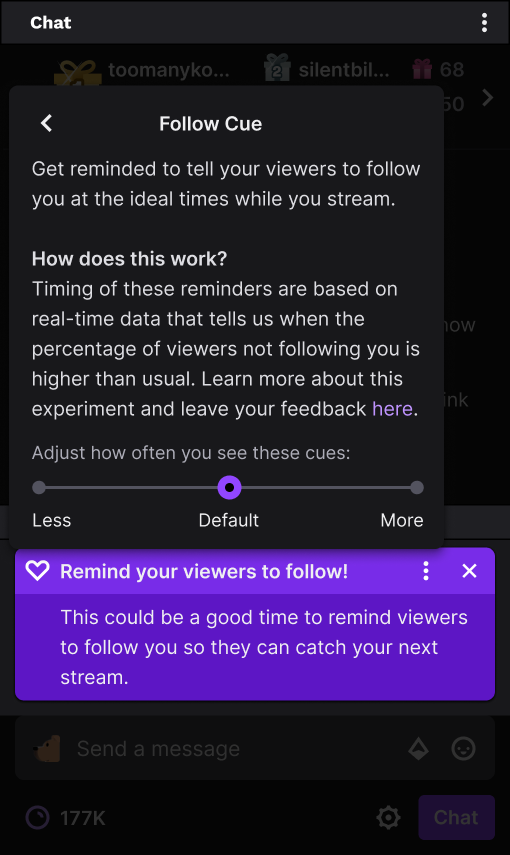
Self-promotion threatens creator identity most when it feels forced or outside of their direct control. I designed frequency controls and explicit opt-out toggles that allowed creators to manage exactly when and how often the prompt appeared. These contextual controls transformed the tool from an automated demand into a customizable assistant that respected the user's agency.
IMPACT
17%
Increase in Milestone Shares
23%
Low awareness of the tool
28%
User retention increase (Five-Minute-Play)
Reflection

Transforming Local Learning Into Platform Standard
This project fundamentally shifted my approach to creator growth by proving that timing and efficiency are secondary to psychological comfort. I discovered that when a tool forces a behavior that conflicts with a user’s desired identity, even the most technically perfect automation will fail. The systemic victory was not the feature itself but the creation of a communication framework that respected the Shared Space Paradox and provided creators with the agency to manage their own social risk. I learned that a feature’s failure to scale as a growth lever can still provide a foundational win for platform architecture when it reveals the invisible psychological friction users cannot articulate themselves.



“Building an adaptive future through deliberate insights”


Made and designed by nayeri
© 2026 All Rights Reserved

Identity Over Automation
Most growth tools prioritize conversion efficiency while ignoring the psychological cost of self-promotion. What if low conversion was an identity threat built into the interface rather than a lack of creator motivation?
TL;DR
Finalized design that launched
Overview
Creators frequently requested automated follow reminders to solve what they described as a memory problem. We built Follow Cue to automate these prompts but launch data showed conversion remained low at 17% while creators perceived the tool as intrusive. I investigated the gap between user request and user behavior to discover that the real barrier was identity threat rather than forgetfulness. Asking for support conflicted with how creators wanted to be perceived by their communities and automation only amplified that psychological discomfort.

A small But Mighty Team
As the Sole Designer I owned the end to end strategy and execution of the Follow Cue feature over a three month timeframe.
- 3 Engineers
- 1 Product Manager
- 1 Data Analyst
- 1 UX Writer
- 1 Marketing Lead
Impact and Key Findings
- The Identity Misdiagnosis: The 17% conversion rate revealed that low engagement was a response to identity threat rather than a lack of memory. Creators avoided self-promotion to protect their community status and automation removed their ability to manage the social authenticity of the ask.
- Identity Over Efficiency: Creators wanted growth but not at the cost of appearing transactional. Self-Presentation Theory explained why tools optimized for conversion efficiency failed when they forced behaviors that conflicted with creator identity.
- The Learning: User articulation reveals their understanding of a problem, not necessarily the actual barrier. Creators couldn't articulate social discomfort, so they attributed the gap to memory. The feature became the investigation tool that exposed the psychological friction users couldn't name.
The Problem
Articulation vs. Behavior
The team initially assumed automated reminders would reduce friction by removing the need for creators to remember the ask. When results showed low engagement despite creators enabling the feature I reframed the project as a research instrument to test the psychological barriers to self-promotion. This investigation revealed that creators diagnosed their own problem incorrectly because they could not articulate the social discomfort of appearing transactional. The feature became the diagnostic tool that exposed the identity conflict inherent in automated growth.
Behavioral Design Translation
Copywriting For Identity, Not Conversion
Language determines whether users perceive acknowledgment as personal validation or public performance. I developed a voice that validated silence as a legitimate form of participation rather than a problem to solve. Milestone messaging prioritized the relationship between viewer and creator over community-wide broadcasting. This strategy acknowledged consistent support without pressuring users to alter their participation style. It respected that lurkers are not inactive users awaiting activation but consistent contributors through presence. The copy reflected their existing identity rather than attempting to force a conversion into active chatters.
Leveraging Existing Attention Patterns
Self-Presentation Theory requires creators to assess audience composition before making identity-relevant requests. I placed Follow Cue within the Activity Feed and Chat surfaces because these areas already contained the audience insight data creators referenced during broadcasts. This spatial strategy ensured the prompt felt like a contextual extension of their existing workflow rather than an automated interruption.
Engineering A Non Interruptive Presence
Self-presentation theory suggests that identity conflict occurs when a behavior feels arbitrary or unearned. By defining the functionality for threshold-based triggering to ensure the prompt only surfaced when data confirmed a significant portion of current viewers were not followers. This strategic logic ensured the ask was contextually justified and prevented the tool from feeling like a pushy or blind automation during high-stakes broadcast moments.
Giving Creators Ownership Over The Ask
Self-promotion threatens creator identity most when it feels forced or outside of their direct control. I designed frequency controls and explicit opt-out toggles that allowed creators to manage exactly when and how often the prompt appeared. These contextual controls transformed the tool from an automated demand into a customizable assistant that respected the user's agency.
IMPACT
17%
Increase in Milestone Shares
23%
Low awareness of the tool
28%
User retention increase (Five-Minute-Play)
When Articulation Masks The Real Problem
The experiment results showed a 17% conversion rate but high levels of user friction. This discrepancy suggested a fundamental misinterpretation of the user state. The barrier was not forgetfulness. It was a reluctance to perform self promotion. Streamers feared appearing transactional to their community.
Reflection
Transforming Local Learning Into Platform Standard
This project fundamentally shifted my approach to creator growth by proving that timing and efficiency are secondary to psychological comfort. I discovered that when a tool forces a behavior that conflicts with a user’s desired identity, even the most technically perfect automation will fail. The systemic victory was not the feature itself but the creation of a communication framework that respected the Shared Space Paradox and provided creators with the agency to manage their own social risk. I learned that a feature’s failure to scale as a growth lever can still provide a foundational win for platform architecture when it reveals the invisible psychological friction users cannot articulate themselves.

“Building an adaptive future through deliberate insights”

Made and designed by nayeri
© 2026 All Rights Reserved
Identity Over Automation
Most growth tools prioritize conversion efficiency while ignoring the psychological cost of self-promotion. What if low conversion was an identity threat built into the interface rather than a lack of creator motivation?
TL;DR
Finalized design that launched
Overview
Creators frequently requested automated follow reminders to solve what they described as a memory problem. We built Follow Cue to automate these prompts but launch data showed conversion remained low at 17% while creators perceived the tool as intrusive. I investigated the gap between user request and user behavior to discover that the real barrier was identity threat rather than forgetfulness. Asking for support conflicted with how creators wanted to be perceived by their communities and automation only amplified that psychological discomfort.
A small But Mighty Team
As the Sole Designer I owned the end to end strategy and execution of the Follow Cue feature over a three month timeframe.
- 3 Engineers
- 1 Product Manager
- 1 Data Analyst
- 1 UX Writer
- 1 Marketing Lead
Impact and Key Findings
- The Identity Misdiagnosis: The 17% conversion rate revealed that low engagement was a response to identity threat rather than a lack of memory. Creators avoided self-promotion to protect their community status and automation removed their ability to manage the social authenticity of the ask.
- Identity Over Efficiency: Creators wanted growth but not at the cost of appearing transactional. Self-Presentation Theory explained why tools optimized for conversion efficiency failed when they forced behaviors that conflicted with creator identity.
- The Learning: User articulation reveals their understanding of a problem, not necessarily the actual barrier. Creators couldn't articulate social discomfort, so they attributed the gap to memory. The feature became the investigation tool that exposed the psychological friction users couldn't name.
The Problem
Articulation vs. Behavior
The team initially assumed automated reminders would reduce friction by removing the need for creators to remember the ask. When results showed low engagement despite creators enabling the feature I reframed the project as a research instrument to test the psychological barriers to self-promotion. This investigation revealed that creators diagnosed their own problem incorrectly because they could not articulate the social discomfort of appearing transactional. The feature became the diagnostic tool that exposed the identity conflict inherent in automated growth.
Behavioral Design Translation
Leveraging Existing Attention Patterns
Self-Presentation Theory requires creators to assess audience composition before making identity-relevant requests. I placed Follow Cue within the Activity Feed and Chat surfaces because these areas already contained the audience insight data creators referenced during broadcasts. This spatial strategy ensured the prompt felt like a contextual extension of their existing workflow rather than an automated interruption.
Copywriting For Identity, Not Conversion
Language determines whether users perceive acknowledgment as personal validation or public performance. I developed a voice that validated silence as a legitimate form of participation rather than a problem to solve. Milestone messaging prioritized the relationship between viewer and creator over community-wide broadcasting. This strategy acknowledged consistent support without pressuring users to alter their participation style. It respected that lurkers are not inactive users awaiting activation but consistent contributors through presence. The copy reflected their existing identity rather than attempting to force a conversion into active chatters.
Engineering A Non Interruptive Presence
Self-presentation theory suggests that identity conflict occurs when a behavior feels arbitrary or unearned. By defining the functionality for threshold-based triggering to ensure the prompt only surfaced when data confirmed a significant portion of current viewers were not followers. This strategic logic ensured the ask was contextually justified and prevented the tool from feeling like a pushy or blind automation during high-stakes broadcast moments.
Giving Creators Ownership Over The Ask
Self-promotion threatens creator identity most when it feels forced or outside of their direct control. I designed frequency controls and explicit opt-out toggles that allowed creators to manage exactly when and how often the prompt appeared. These contextual controls transformed the tool from an automated demand into a customizable assistant that respected the user's agency.
IMPACT
When Articulation Masks The Real Problem
The 17% conversion rate revealed that social friction persisted even after we fulfilled the creator request for automation. This gap between articulated need and actual behavior exposed a fundamental misinterpretation of the underlying barrier. While creators diagnosed their own struggle as forgetfulness the real obstacle was a pervasive identity conflict regarding self-promotion. The 28% intrusive perception validated that automation actually amplified identity threat by removing critical creator control over timing and social context.
Ultimately the feature functioned as a research instrument that identified a psychological friction users could not name themselves. Low conversion was not a failure of design but evidence that creators required agency and permission to manage self-presentation rather than mechanical efficiency and automation.
28%
Of streamers said it appeared too frequent
23%
Low awareness of the tool
17%
Follower conversion
Reflection
Transforming Local Learning Into Platform Standard
This project fundamentally shifted my approach to creator growth by proving that timing and efficiency are secondary to psychological comfort. I discovered that when a tool forces a behavior that conflicts with a user’s desired identity, even the most technically perfect automation will fail. The systemic victory was not the feature itself but the creation of a communication framework that respected the Shared Space Paradox and provided creators with the agency to manage their own social risk. I learned that a feature’s failure to scale as a growth lever can still provide a foundational win for platform architecture when it reveals the invisible psychological friction users cannot articulate themselves.
“Building an adaptive future through deliberate insights”
Made and designed by nayeri
© 2026 All Rights Reserved